A pharmaceutical client once rejected an entire shipment of our scoops — not because of a defect, but because the lot number on the carton did not match the lot number in the Certificate of Analysis. The scoops were identical. The paperwork was one digit off.
In consumer goods, that is a clerical error. In pharma, it is a recall.
Documentation Is the Product
When a pharma buyer evaluates a measuring scoop, they are buying two things: the physical scoop and the paper trail that proves it is what you say it is. The scoop could be perfect, but if the documentation is incomplete, it will not pass incoming QC.
A complete documentation package typically includes:
- Certificate of Analysis (CoA) for the specific production batch
- Raw material certificate from the resin supplier
- Third-party migration or extractables testing where required
- Statement of cGMP compliance
We keep these records for a minimum of five years per batch. If an auditor asks for the CoA from a production run three years ago, we can pull it within 24 hours.
The Anti-Static Problem
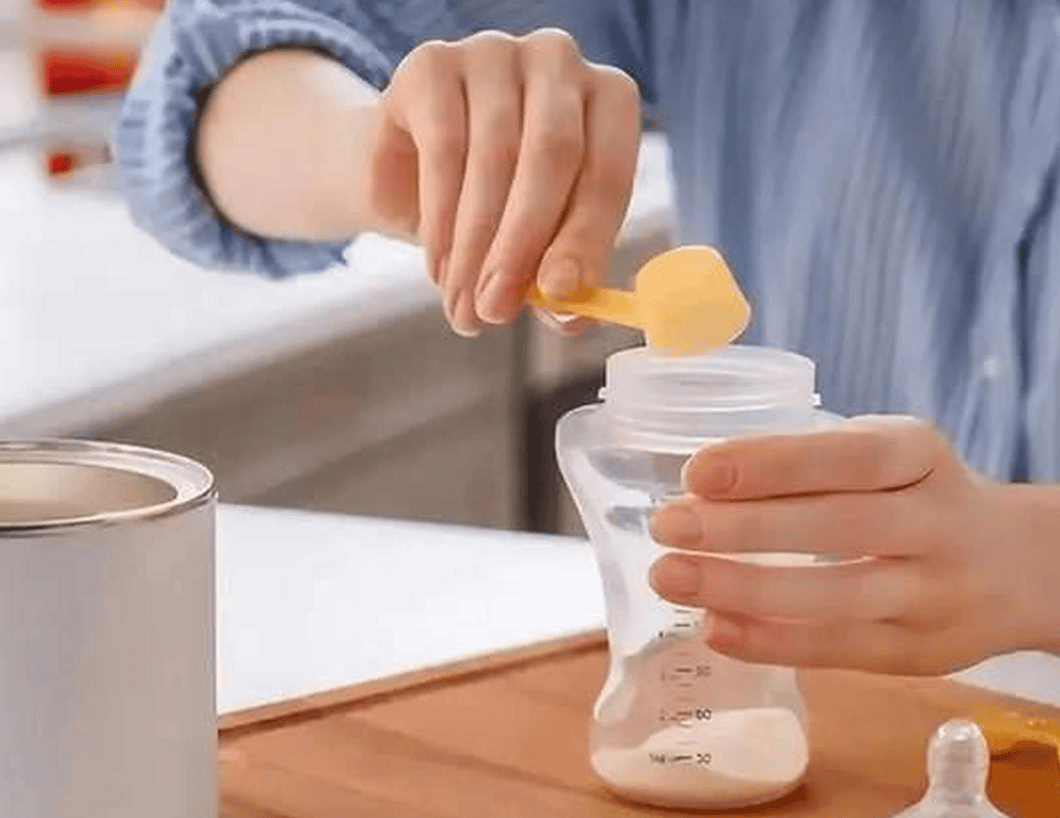
Anyone who has worked in a lab knows the frustration: you scoop a fine powder, and half of it clings to the scoop surface instead of transferring to the weighing boat. This is static electricity, and it is a bigger problem than most people realize. For active pharmaceutical ingredients where the dose is measured in milligrams, static adhesion can throw off measurements enough to fail a batch.
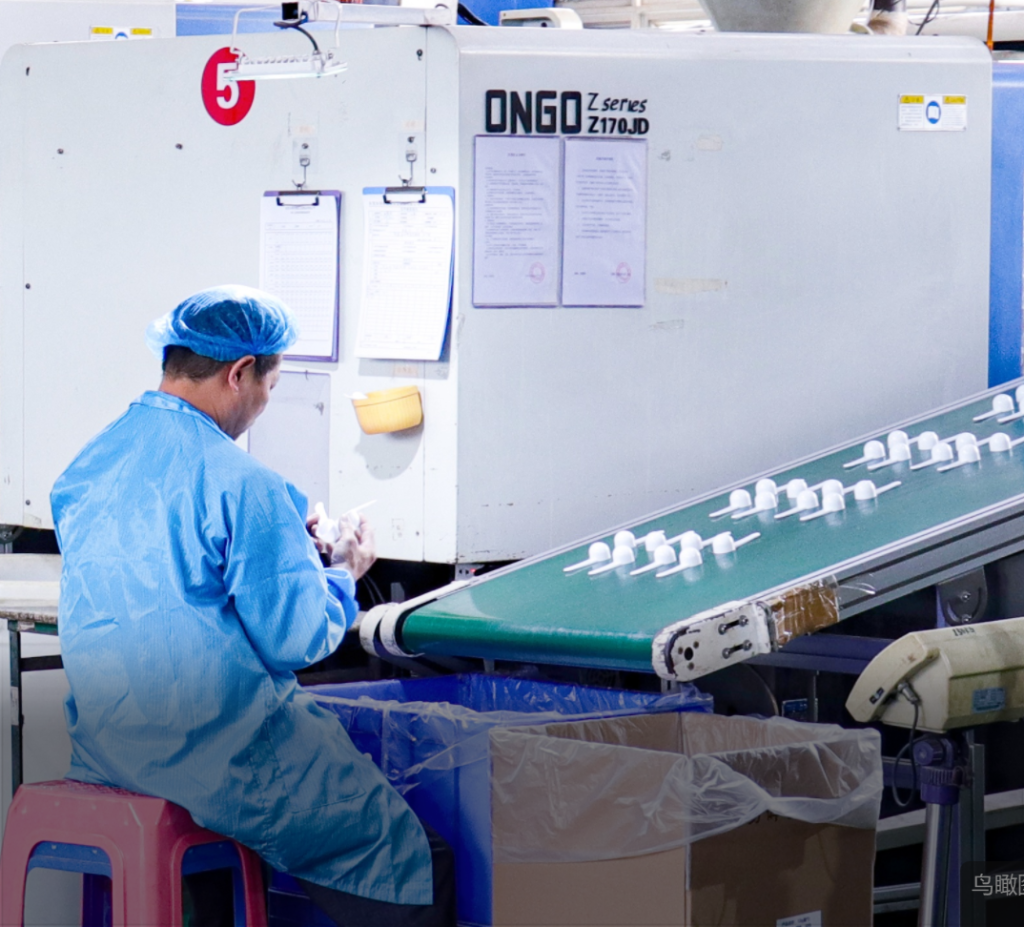
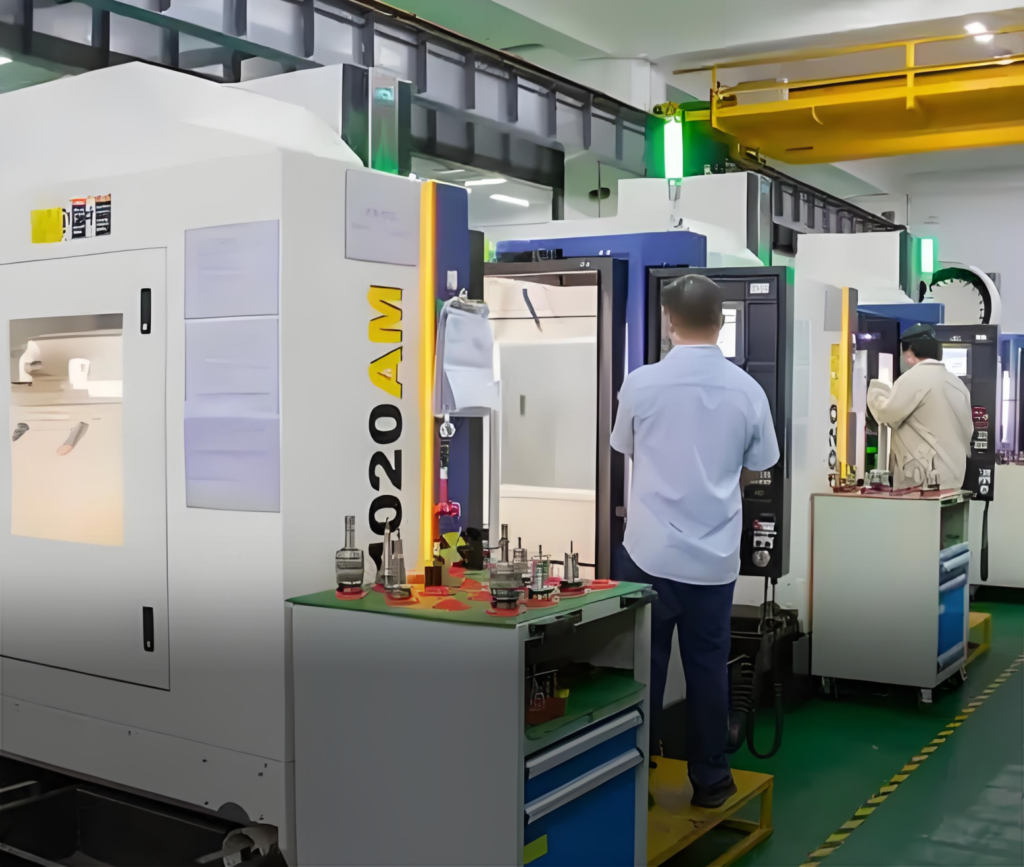
Standard PP is prone to static buildup. We address this in two ways: first, by using anti-static additive compounds in the resin during injection molding; second, by polishing the scoop surface to a specific roughness (Ra ≤ 0.4 μm) that minimizes powder contact area without creating a glossy surface that actually increases static.
What “Lot-Controlled” Actually Means
Lot-controlled manufacturing means every production run is assigned a unique identifier that links the finished product to:
- The raw material batch it came from
- The production machine and shift that made it
- The QC inspection record for that batch
- The date range of production
If there is ever a quality issue — which, in two decades, we have had exactly twice — you can contain the problem to a specific batch rather than recalling everything. That is the real value of traceability: not preventing problems, but limiting their scope.