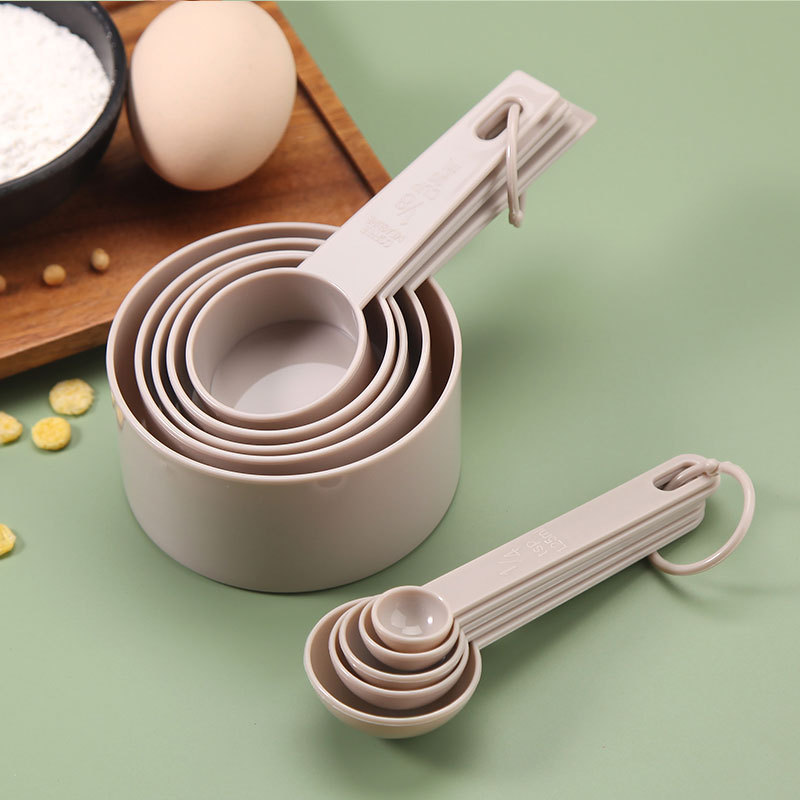
A customer opens a new tub of protein powder and the first thing they touch isn’t the powder — it’s the scoop. That single interaction sets the tone for whether they trust your brand.
Over the years, we have seen supplement brands lose customers over something as simple as a scoop that bends under pressure, or one without clear measurement lines that forces the user to guess the dose. It happens more often than you would think.
Getting the Size Right
The range needed for sports nutrition is surprisingly wide. A pre-workout scoop might only need to hold 0.5 grams of powder. A mass gainer scoop, on the other hand, can go up to 100 grams. Using one generic scoop size across your entire product line is a mistake — each formula has its own density and serving size.
What to check when choosing your scoop:
- The gram capacity must match your product’s bulk density, not just the label claim
- A scoop that is too tall will not fit in a standard tub — measure your container depth first
- Scale lines embossed into the plastic stay legible far longer than printed ones, which rub off after repeated use
Plastic or Biodegradable?
PP (polypropylene) remains the most common choice. It is affordable, durable, and FDA-approved for food contact. Roughly 80% of the sports nutrition scoops we produce are still PP.
But the shift toward PLA is accelerating. One European brand we work with switched all their SKUs to PLA scoops last year — not because PP failed, but because their retail partners in Germany and the Netherlands began requiring compostable packaging components. The cost difference on a per-unit basis was minimal at their order volume of 50,000 scoops per SKU.
The decision ultimately comes down to where you sell and who your customer is. If your market is price-sensitive, PP works. If your brand story hinges on sustainability, PLA is worth the incremental cost.