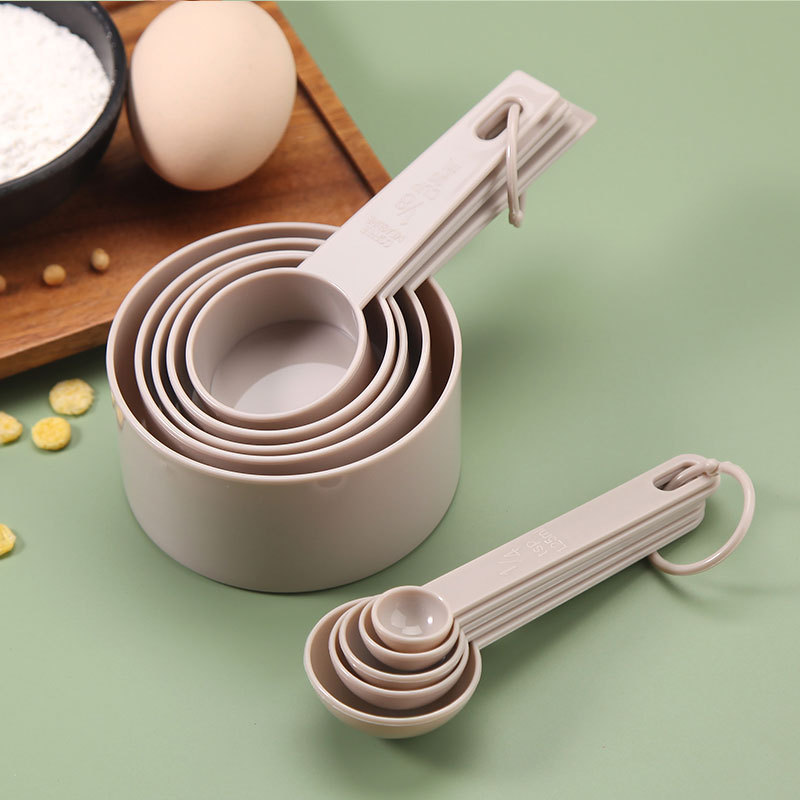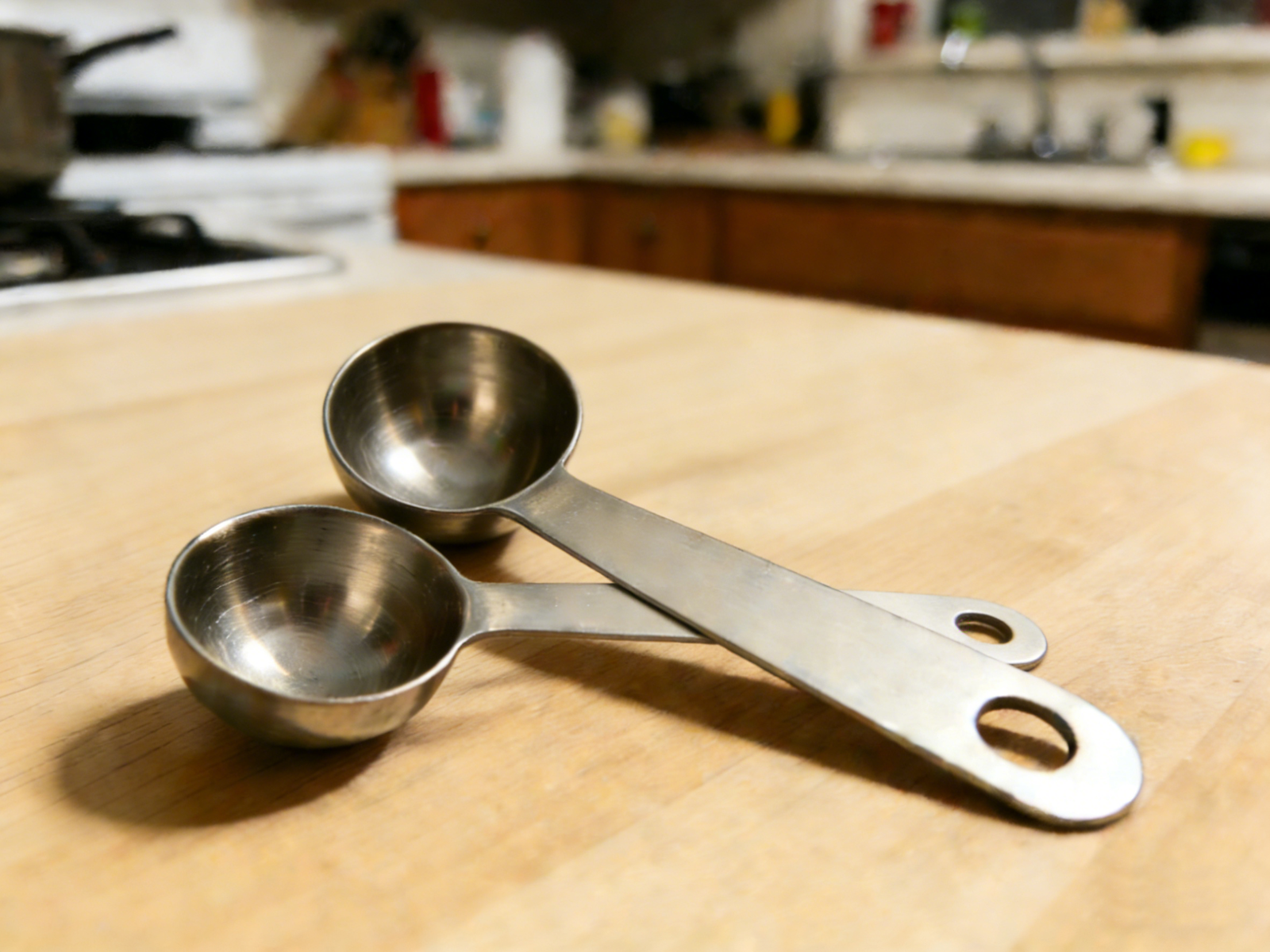
A few years ago, a client sent us a competitor’s infant formula scoop to reverse-engineer. The volume was correct, the color was right — but running a finger along the rim, you could feel a faint burr. It was small enough to pass a casual glance, but sharp enough to scratch a baby’s gum.
That is the difference between a scoop that passes a spec sheet and one that is actually safe.
Material Comes First, But It Is Not Enough
BPA-free is table stakes. Any supplier you talk to will say their material is food-grade. What separates a reliable supplier from the rest is whether they can prove it. Ask for the third-party migration test report — not just the raw material certificate. Migration testing simulates what happens when the plastic sits in contact with powder for months at various temperatures. If the supplier cannot produce that document, look elsewhere.
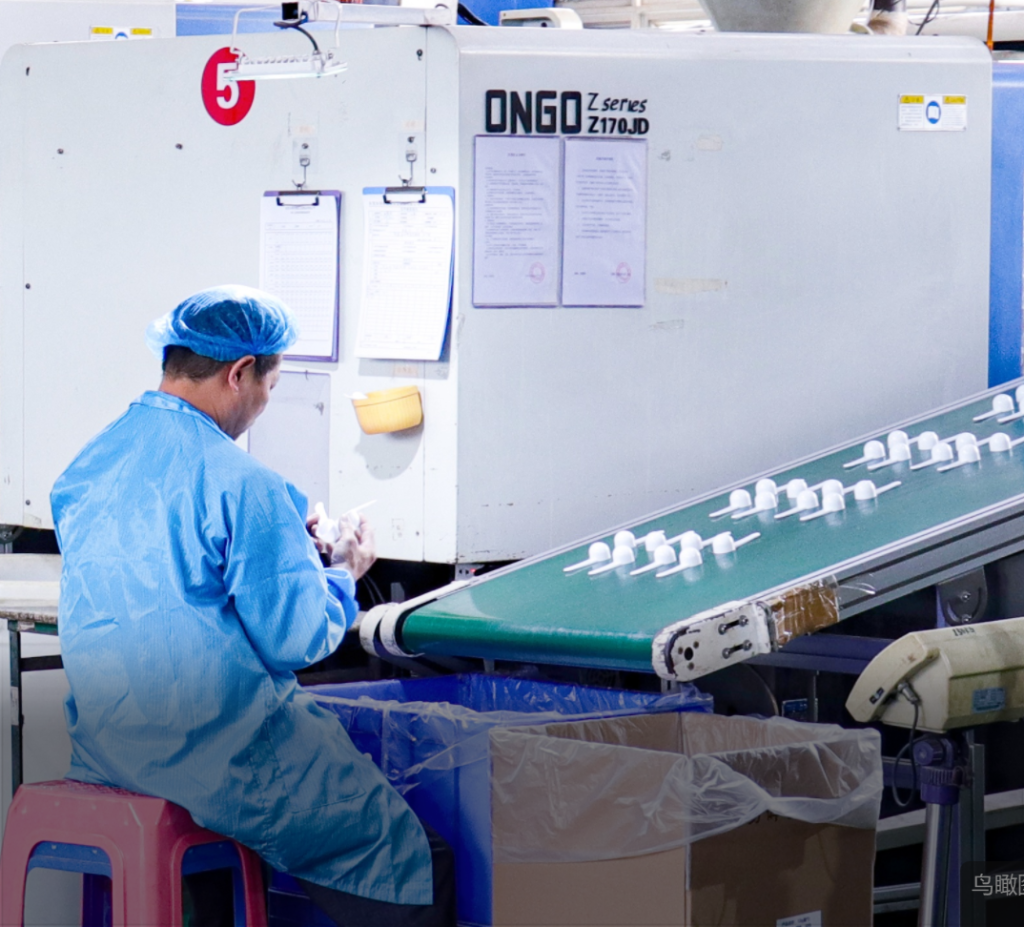
Beyond the material itself, the mold release agent used during injection molding matters. Some low-cost factories use silicone-based release agents that leave residue. We use food-grade release agents only, and every batch gets a post-production wash cycle.
Design Details No One Talks About
The scoop handle is usually where problems hide. A thin handle flexes and eventually snaps. A handle with sharp parting lines from the mold can pinch fingers. These are not issues you will see on a CAD drawing — they only show up in physical samples.
Other things to check on your sample:
- The rim should be smooth. Run your thumb around it. If you feel anything, reject it.
- Test the scoop with actual formula powder. Some powders stick to certain surface finishes more than others.
- Drop the scoop from waist height onto a hard floor. If it cracks, the material is wrong.
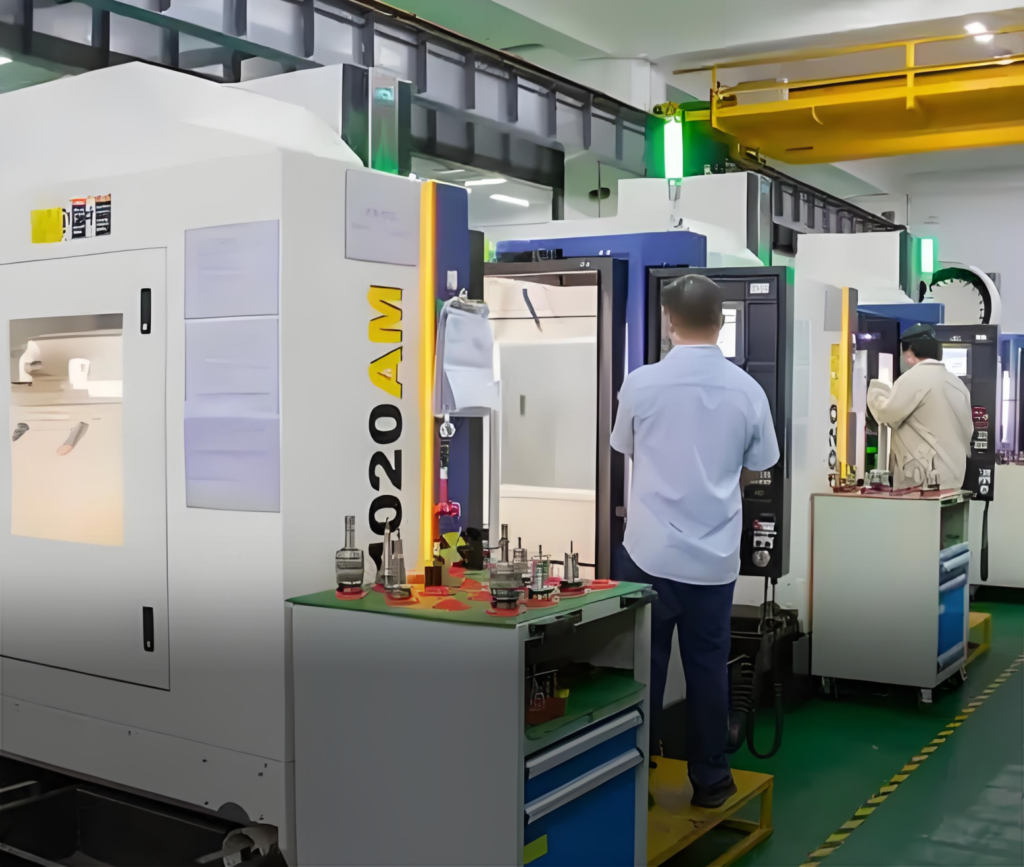
These are the tests our QC team runs on every new mold before it goes into production. They are not in any ISO manual — they come from years of making mistakes and learning from them.